
Running on sunshine: KPN network goes solar in 2025
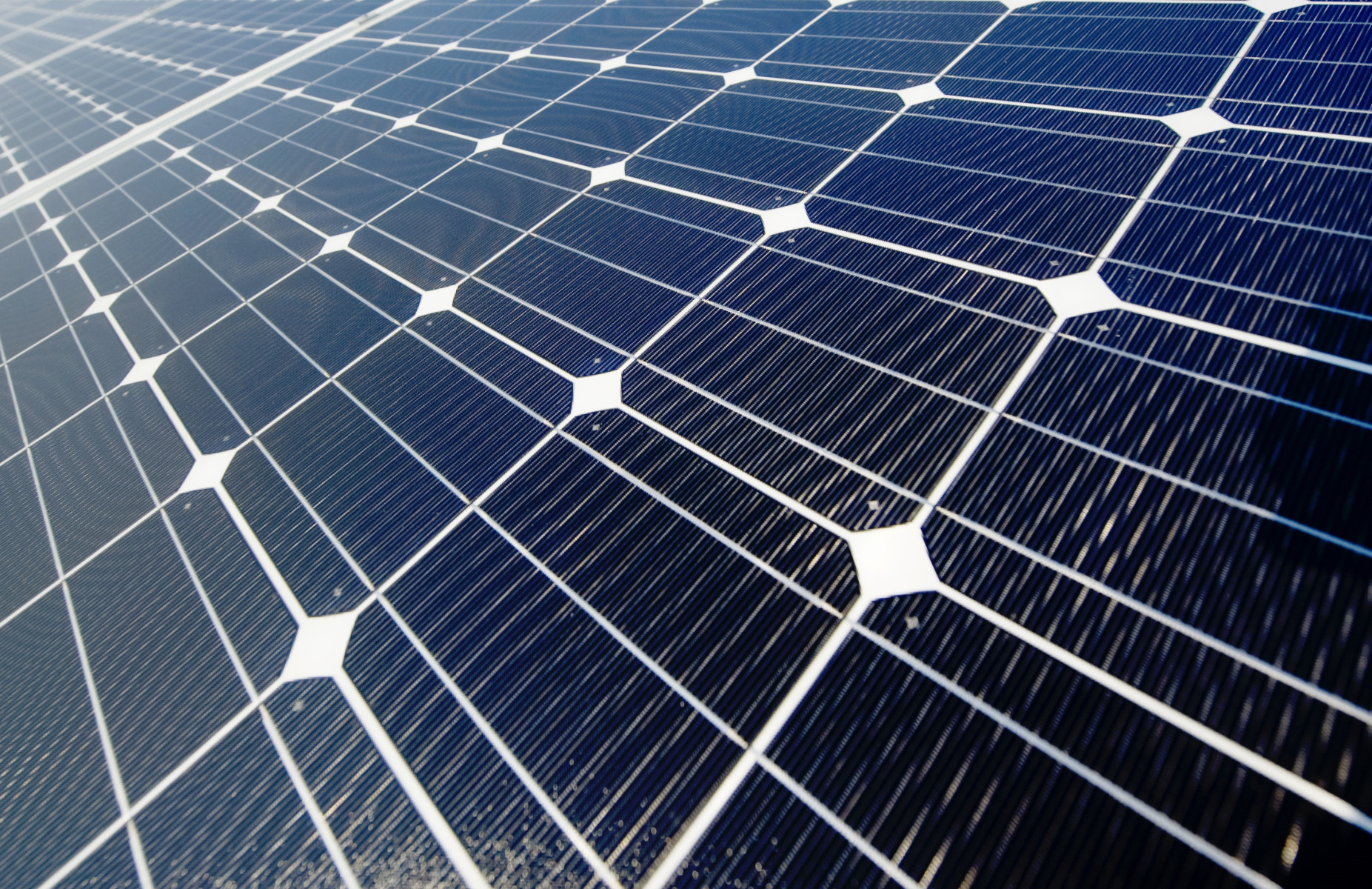
KPN’s sustainability strategy is advancing quickly with the company’s move to buy power generated by Eneco’s Kabeljauwbeek, a solar farm under construction in Woensdrecht in the Dutch province of Noord-Brabant. The solar farm, comprising around 88,000 solar panels, will supply green energy to KPN’s landline and mobile networks from the beginning of 2025 under a 15-year contract the telecoms company has signed with Eneco.
Eneco started working on the construction of the energy firm’s largest on-shore solar farm in Woensdrecht at the beginning of this year. The farm, built underneath Kabeljauwbeek Wind Farm’s five wind turbines, is expected to be in full operation by early 2025. KPN will buy over 47 GWh (gigawatt hours) a year of the electricity it generates. In 2027, over 200 GWh (gigawatt hours) will be added to that volume of electricity from Ecowende, a new wind farm being built over 50 kilometres off the Dutch coast, off the coast of IJmuiden. In addition, solar panels have been fitted to 40 of KPN’s technical buildings in recent years, which means that by 2027 a total of over 60% of the electricity used by KPN will come from sustainable sources.
KPN currently has several short-term green energy contracts. This will be further expanded in the coming years with long-term commitments. The ‘pay as nominated’ mechanism applies to both contracts for Eneco’s supply of green energy to KPN. In other words, KPN’s purchase must match the volume of electricity sustainably generated by the solar farm and wind farm, buying when there is plenty of sunshine and wind to make the most efficient use of the available green power. If it’s very windy, the electricity will be supplied by the wind farm; on days with less wind, the sun will usually be the main source of energy. The summer months have the most sunshine hours while the winter is the windiest time of the year. Day and night follow a similar pattern: the sun shines during the day but the wind is stronger at night. So, by combining these two sources, KPN can ensure that the amount of generated power equals the amount of consumed power as closely as possible. It means that other sources of energy will be needed less and less often to temporarily meet the demand for energy. This move means that KPN can help make the Netherlands’ electricity production more sustainable.
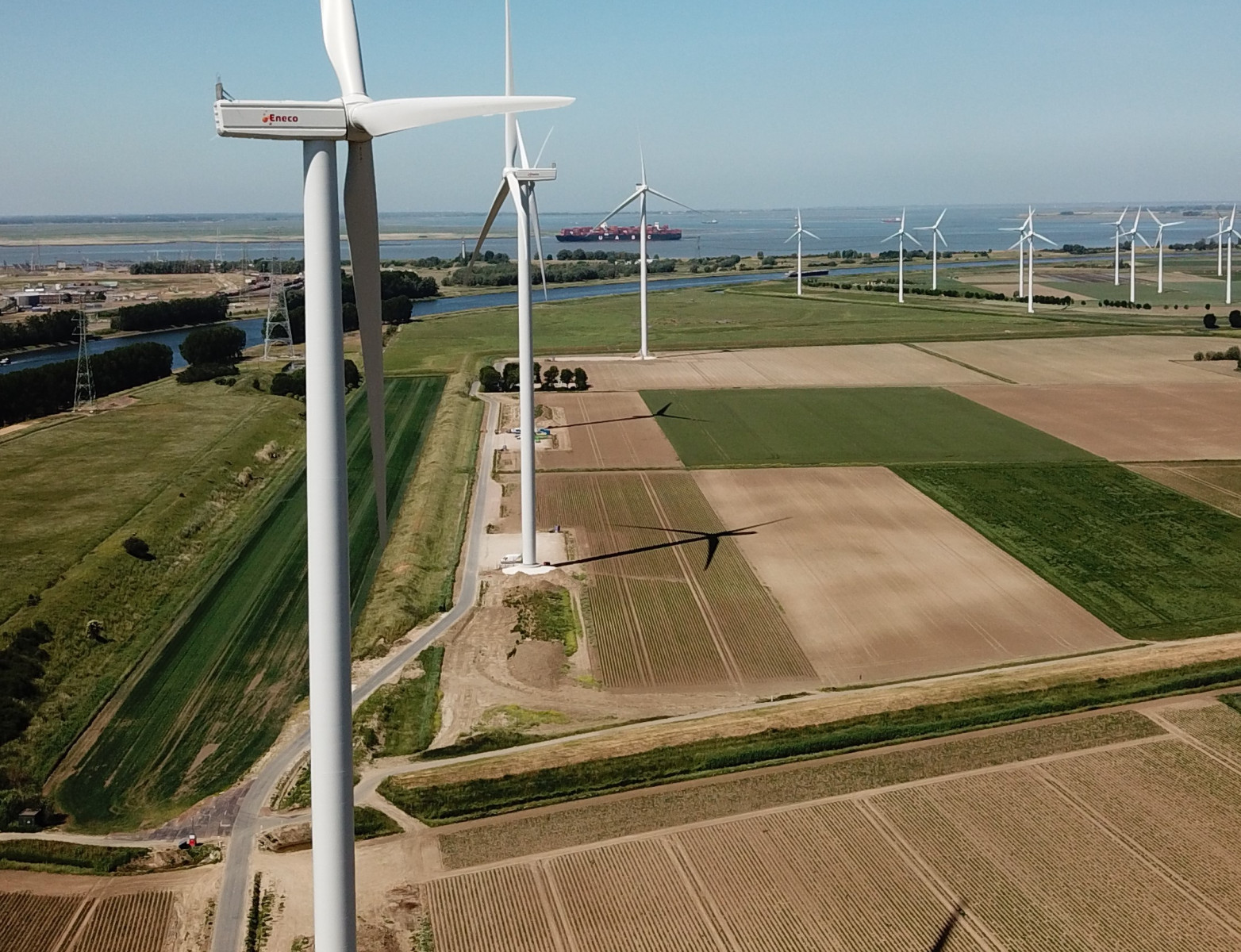
KPN’s CEO Joost Farwerck explains: “Here at KPN, we’ve been working hard to improve our internet for years, not just making it faster and more stable, but greener, safer and more socially responsible too. That’s why we are switching to sustainable energy sources. From next year on, a large part of our need for electricity will be met with power from Kabeljauwbeek, the new solar farm. Then, in two years’ time, we’ll be able to add wind-generated power supplied by Eneco from the wind farm Ecowende, which is also still under construction. The year after that, nearly all our customers will be using internet with an efficient, sustainable network powered by the right electricity at the right time from both solar and wind energy.”
As Tempelman, Eneco’s CEO, adds: “This purchase agreement is another notable milestone in our long-established partnership with KPN. Our supply of green energy from our solar farm Kabeljauwbeek will help KPN achieve their climate ambitions. In turn, such contracts enable Eneco to continue investing in solar and wind farms, both onshore and offshore. And that continues to be important, because we want Eneco – and all our customers – to be climate neutral by 2035.”
KPN’s landline and mobile networks have been running on green electricity since 2011 and KPN has been climate neutral since 2015. KPN has also made huge progress in reducing its energy consumption in recent years. For instance, KPN’s energy use has dropped by 42% since 2010, even though data use was approximately 28 times as much in the same period, and KPN intends to cut back by at least another 10% before 2030. KPN has also formulated circular ambitions and set itself a target: to reduce the emissions of the entire value chain to net zero by 2040.