
King visits The Rich North Sea and Ecowende: nature as a prerequisite for energy and food security
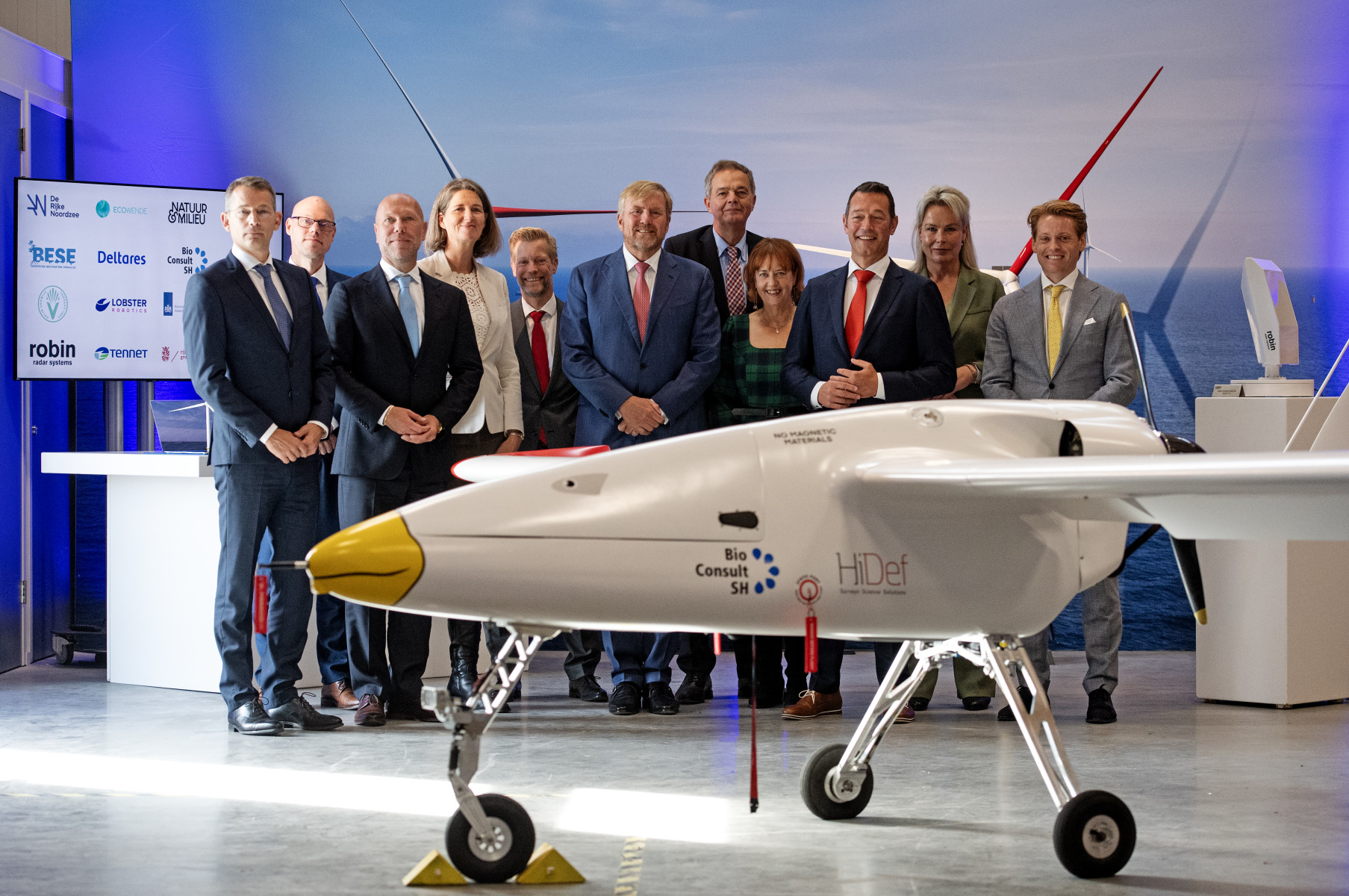
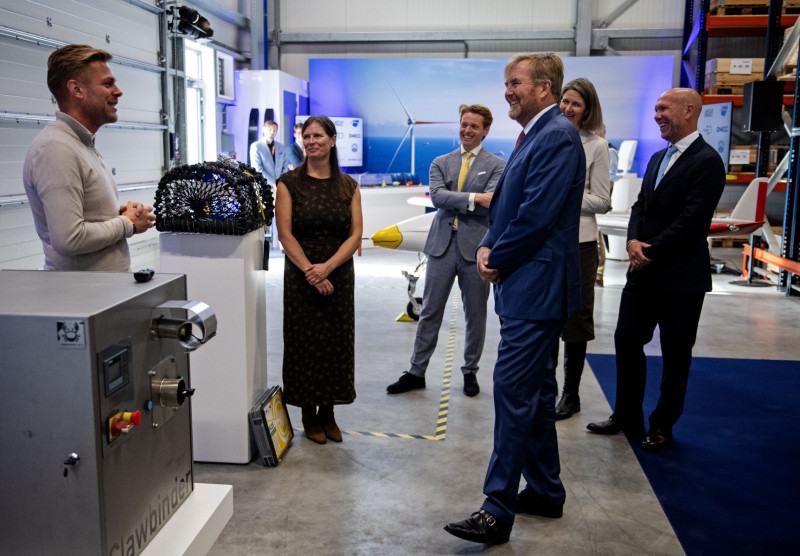
His Majesty the King today paid a working visit to The Rich North Sea and offshore wind developer Ecowende in IJmuiden. The visit, which took place at Ecowende’s new onshore service base, focused on three major challenges that are simultaneously competing for space in the North Sea: the energy transition, nature restoration and safeguarding food supplies. All three need to find their place in one of the busiest seas in the world. During the visit, the King was introduced to the latest innovations in offshore wind energy, nature enhancement and sustainable food production, and spoke with representatives of organisations working on these challenges. During the visit participants highlighted that a healthy marine ecosystem is a prerequisite for achieving both energy and food security.
The North Sea is key in achieving Dutch and European climate goals as a place where we can generate clean energy and reduce our dependence on external energy sources. This is urgently needed, but in the process we cannot lose sight of both food production and nature.

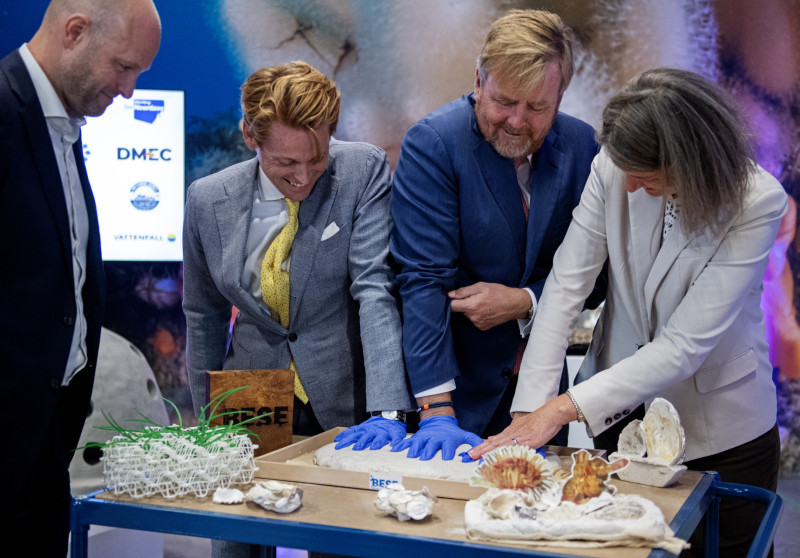
During a tour, The Rich North Sea, Ecowende and various partners demonstrated how innovation can contribute to a future-proof North Sea. The latest monitoring technologies were showcased, including underwater and aerial drones, alongside innovative nature restoration measures such as artificial reefs and sustainable forms of fishing.
Ecowende is the first offshore wind farm to incorporate biodiversity considerations from the design stage onwards. It provides an example for future wind farms for which permits and tenders are now being prepared. What we learn here about nature-inclusive construction will help set a new standard, both in the Netherlands and internationally.
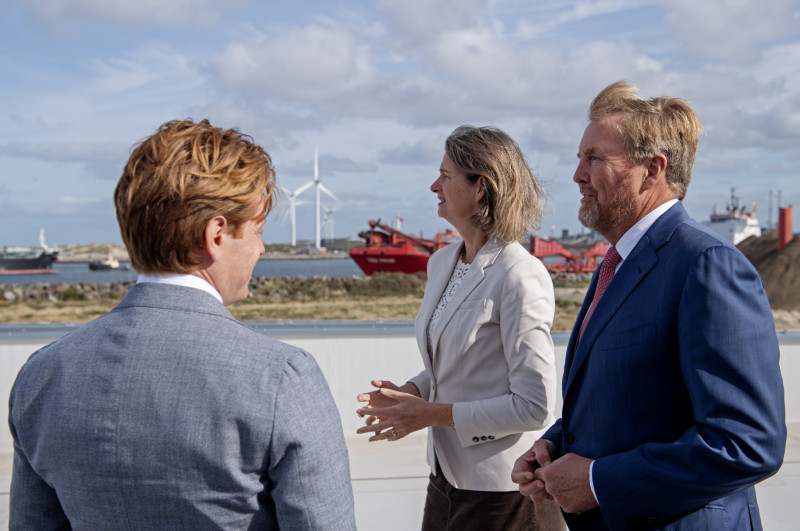
In practice, these three challenges compete for the same square kilometres of sea. The Netherlands aims to realise 40 gigawatts of offshore wind capacity, has committed to protecting 30% of its marine area as nature reserves, and is working towards a sustainable future for food production.
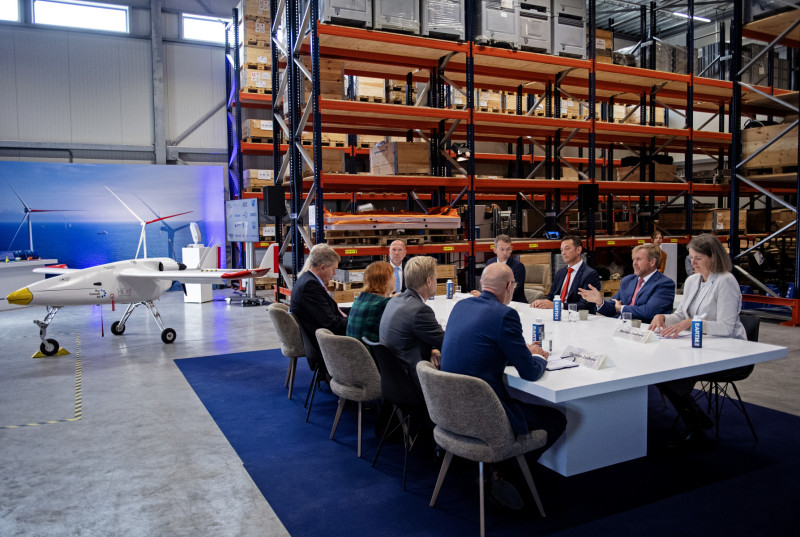
An in-depth discussion on this spatial challenge brought together representatives from nature organisations, wind farm developers, grid operators, government, science and the fishing industry. Participants stressed that nature restoration and nature enhancement should not be treated as an afterthought, but as a prerequisite. In the long term, the health of the sea and its food chain will help determine whether offshore wind farms are ecologically sustainable.
It is significant that the King is taking time to mark the importance of a healthy North Sea today, as well as our shared responsibility for achieving it. The North Sea is under pressure from climate change and increasing human activity. The strength of this working visit lies in bringing together parties that have not traditionally always regarded one another as partners.