
Homeowners in Zeeland province to help reduce grid pressure on sunny days
Grid operator Stedin and energy supplier Eneco have set up a pilot to pay homeowners on the islands of Tholen, Sint Philipsland and Schouwen-Duiveland to switch off their solar panels for short periods on sunny days. Smarter ways of thinking about energy can help to prevent power failures and voltage issues, as well as relieving the electrical grid when it becomes overloaded. The purpose of this new approach, which is applied for the first time in the Netherlands, is to find out about the willingness among households to help in relieving the electrical grid. Customers of Eneco have been asked to volunteer for the pilot, which is called Slim Schakelen (‘smart switching’).
The islands of Tholen, Sint Philipsland and Schouwen-Duiveland have seen a rapid growth in the number of households with solar panels. As a result, at times the electricity production is greater than the amount being consumed, putting the electrical grid at its maximum capacity. Stedin is engaged in an ongoing search for solutions to match electricity supply and demand. The pilot is aimed at consumers, and the plan is for it to be rolled out on a larger scale in 2025. This initial pilot will be conducted on Schouwen-Duiveland, Sint Philipsland and Tholen – parts of Zeeland province where rooftop solar power has grown rapidly. At peak sunshine moments, 50% of the electricity that is produced comes from consumers’ solar panels, and this proportion is only expected to increase further.
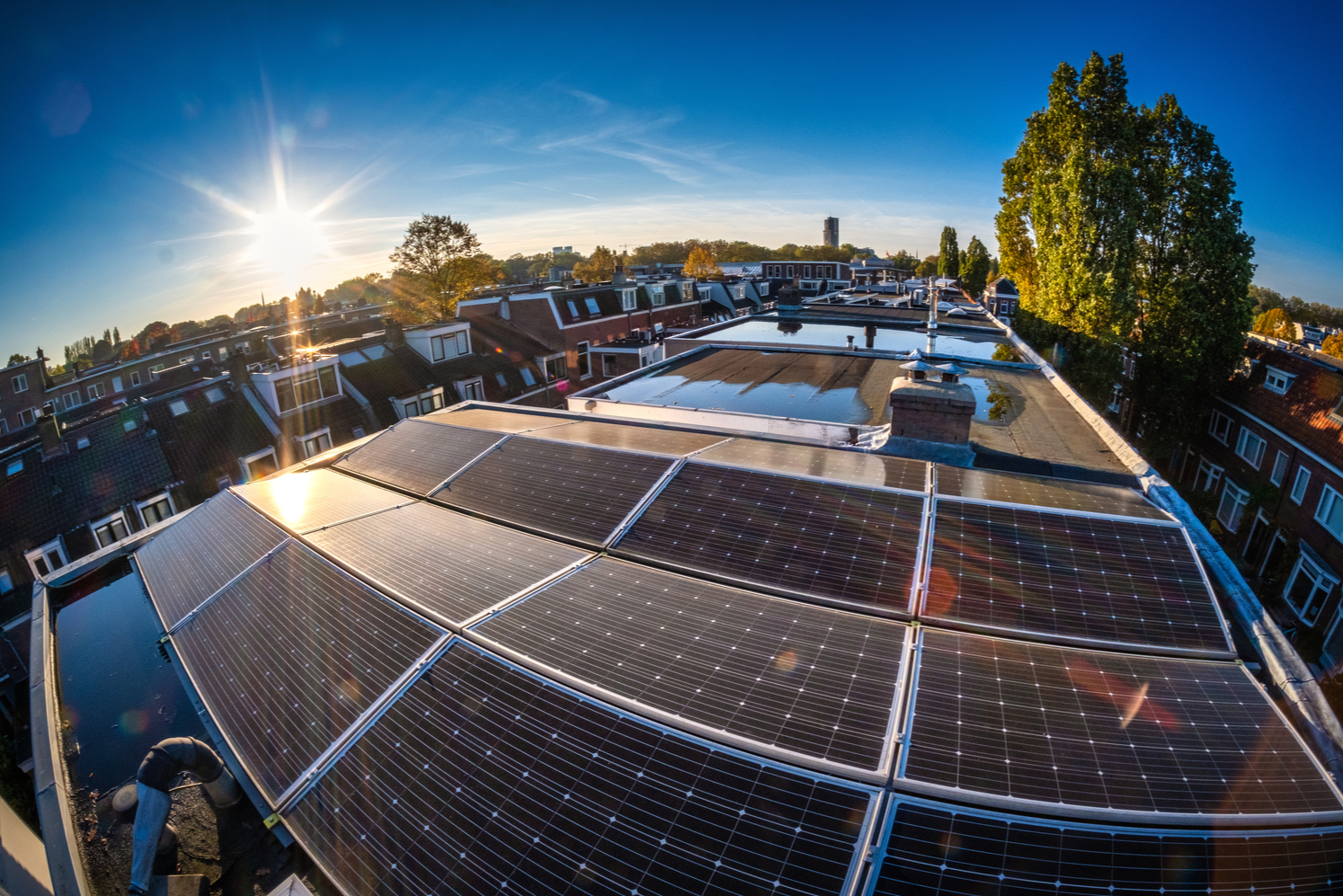
Role for households
Sustainable energy production is growing faster than grid operators can reinforce their grids, despite record-level investments. On days that are both sunny and windy, production is already often more than the amount of electricity being used. As more and more homeowners install solar panels, and the volume of consumer-produced sustainable electricity increases, this trial will establish whether those consumers can play a role in reducing the pressure on the electrical grid on sunny days. It will also examine how best to give shape to the arrangements between households and the energy sector.
Stedin CTO David Peters comments, “We want to use this pilot to find out how to get consumers to participate in relieving the pressure on the electrical grid. If it proves successful, we want to broaden the scope. This will create possibilities for more sustainable production. In the pilot, customers of Eneco are asked to switch off their solar panels manually for short periods of time. If this goes well, we want to examine automatic solutions as well, for customers who give their consent.”
“More and more people in the Netherlands have solar panels,” explains Selina Thurer, COO Consumers at Eneco. “Of course this is wonderful for increasing the proportion of green electricity in our supply. However, it also means that the electrical grid is incapable of handling all that electricity at peak moments. Switching off solar panels for short periods can solve this problem. We’re happy to be part of this pilot. We want to find out how great the effect is, and what the best way is to encourage owners of solar panels to participate in ways to help prevent local grid congestion.”
The pilot will run from 20 August to 30 September. Eneco has sent emails to a group of customers in the feed-in area, inviting them to participate. Customers of Eneco on Tholen, Sint Philipsland and Schouwen-Duiveland can still sign up at www.eneco.nl/slim-schakelen. Customers who have signed up will be sent an email one day in advance with the date, time and payment for the next curtailment. On that day, those customers will then manually switch off their solar panels at the appropriate time. Each household’s total payment is then calculated according to how often its solar panels were switched off. Participating customers will also be contacted by telephone with questions about the pilot.