
Eneco, Woonplus and Schiedam connect first 900 homes to new heating grid
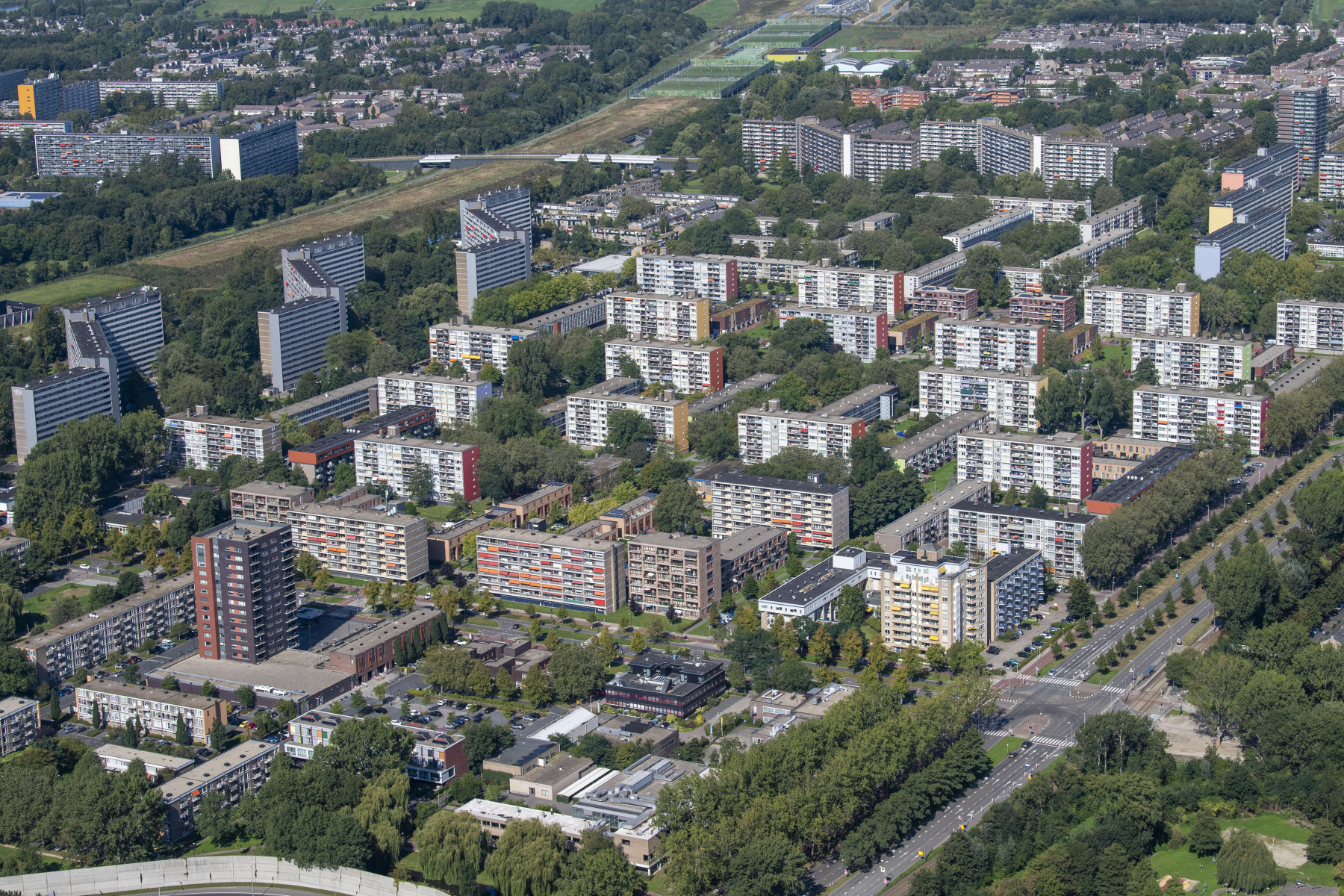
The Municipality of Schiedam, housing corporation Woonplus and Eneco announce today that 900 homes have already been connected to the new heating grid in Schiedam’s Groenoord district. The homes of Woonplus tenants have been made more sustainable. They have also been disconnected from the gas grid and connected to Eneco’s new heating grid. Another 300 or so homes are expected to be connected before the end of the year. As part of one of the largest heat transition projects in existing development in the Netherlands, this represents an important step forward in the country’s heat transition. The three parties have signed a concession agreement that makes it possible to connect up to 6000 dwelling equivalents[1].
Affordability and sustainability
Based on commitments made by Eneco, Woonplus and Schiedam, residents could be offered heat as an affordable alternative to natural gas. Connecting the homes to the heating grid also represents a sustainability improvement: residents of Groenoord who are connected to the heating grid can save up to 68% CO2 compared with the average gas-using home. Those CO2 savings will increase further in the future when the heating grid draws its heat from even more sustainable sources.
Director Ron Wit of Eneco Heating & Cooling comments: “Many of the heating projects in the Netherlands have come to a standstill. This project, to disconnect thousands of existing homes from the gas grid, shows that the heat transition is possible in existing districts in the Netherlands, although the demands on everyone involved are high. To accelerate the transition, it is important for the national government to support the projects by creating the right conditions. The lessons learned from the various projects also need to be applied in new projects.”
Cooperation and challenges in a pioneering project
For homeowners’ associations (HOAs) that want to disconnect from the gas grid, much of the groundwork has already been done to help them amend their deeds of division and to prepare a master management plan for the entire district, called a SoortenManagementPlan.[1] These are lessons that every HOA and municipality in the Netherlands can draw on in the future.
Frans Hamerslag, member of Schiedam’s Municipal Executive for Sustainability, explains: “A firm condition for Schiedam is that the heat transition has to be feasible and affordable for everyone involved, and our residents in particular. The mutual cooperation with and engagement from local residents, sounding-board groups, volunteers, community centres and the executive committees of HOAs have proved essential, as have the input from the provincial authorities and support from the national government. They have been particularly important in disconnecting HOAs from the gas grid, which has proved to be one of the greater challenges facing the project. We all found ourselves pioneering new ways to support the volunteers on the HOAs’ executive committees, to provide practical assistance and help with the extra demands that the energy transition makes on their time and efforts.”[2]
Interim Director Wijnand Fassotte of Woonplus adds: “At an HOA, dozens of micro decisions by the homeowners eventually lead to a decision by the majority. This requires a huge amount of time and effort. Fortunately, we now have 900 rental homes to prove that you can achieve great results, and hopefully this will help to convince people. ”
Follow-up actions
During the months ahead, the three parties will carry on with their preparations and with connecting buildings belonging to Woonplus and the municipality to the heating grid. They will also talk to HOAs and private homeowners in the district about improving the sustainability of their buildings and the possibility of connecting them to the heating grid.
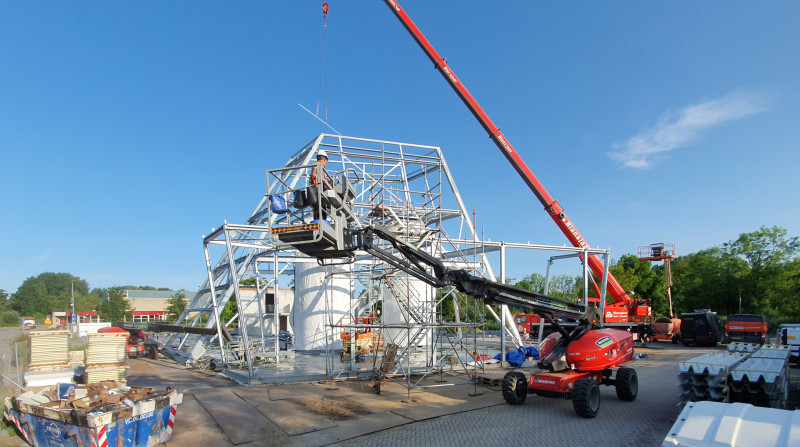
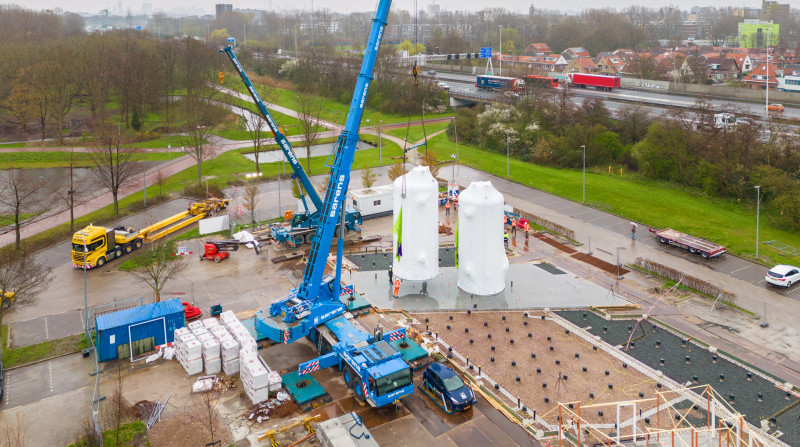
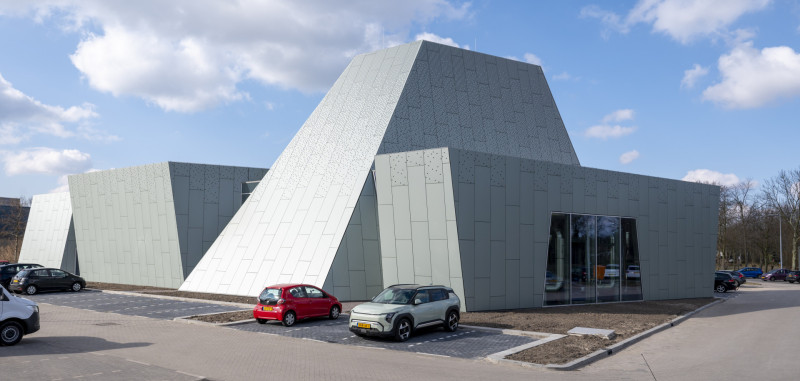
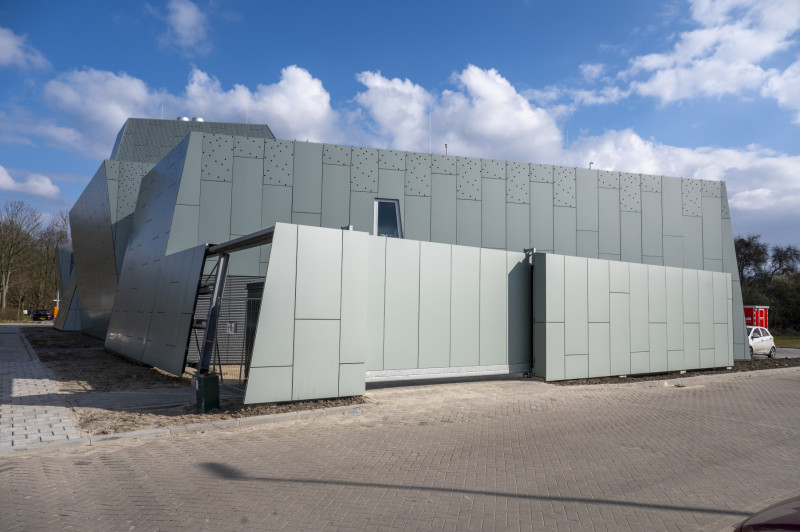
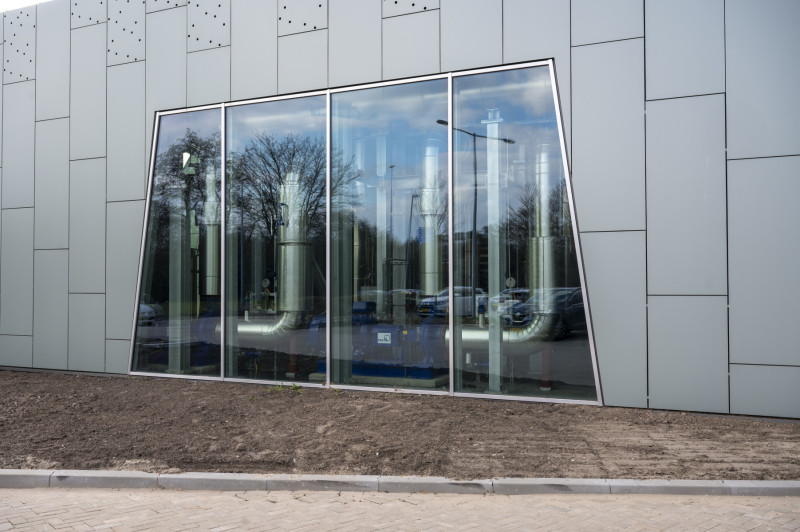
The heat substation is in the final stages of its completion, with the official opening foreseen for June. Residents and anyone else who is interested may visit it then.
About the new district heating network in Groenoord
The Groenoord heating network is being built entirely from scratch. The neighborhood is well-suited for district heating due to the large number of high-rise buildings that can be connected collectively. Throughout Groenoord, Eneco laid a ring network in 2024 that is connected to the heat transfer station. This station regulates the temperature and pressure in the heating network and is linked to the “Leiding over Noord” (LON) pipeline, which transports heat from the AVR energy and waste plant in the Port of Rotterdam. From the ring network, branches connect to individual buildings in the area. Additional boilers have also been installed at the heat station to serve as backups in case of LON outages or peak demand.
[1] Dwelling equivalent: An estimate of the amount of heat energy needed to supply an average Dutch home with room heating and hot tap water. The dwelling equivalent has been set at 27 gigajoules per annum (GJ/a)
[2] To carry out work on homes and buildings (including for insulation and maintenance), private owners and HOAs have to apply for an exemption under the Dutch Nature Conservation Act (Wet Natuurbescherming). This is a complicated, time-consuming and costly process that can cause delays in the project. Schiedam provides help in the form of a master management plan called the SoortenManagementPlan or SMP. That plan can be used to apply for a collective exemption under the Act for all the district’s property owners. In January 2025, the SMP was submitted to the Haaglanden Environmental & Planning Office for a decision.
[3] Why so many HOAs have to make changes: An HOA may only make modifications to the collective (i.e. shared) facilities. For a building to be made more sustainable and be connected to the heating grid, it is often also necessary to modify facilities that are currently handled at the individual level – the hot water connection, for instance, but also windows, window frames and even radiators. For an HOA to make collective modifications, these individual facilities need to become collective under the deed of division. However, amending a deed of division is a very complicated, time-consuming and expensive process, as became apparent when the first HOAs in Groenoord went about it. That is why the Schiedam municipal authorities applied for, and received, funding from the national government to help Groenoord’s HOAs. They can use the funding to provide the HOAs with legal advice about how to amend their deeds and to pay the legal and notarial fees.