
Eneco to help lighten the load on Utrecht’s electrical grid
Eneco has signed an agreement to help reduce the load on the electrical grid in Utrecht province. At the request of grid operators TenneT and Stedin, the company will extend the planned operational lives of two of its gas-fired co-generation power plants in Utrecht. When the demand for electricity is high, one or both of the plants will be activated. The agreement runs until the end of 2029, with an option to extend its duration until the end of 2034.
In many parts of the Netherlands, the electrical grid is at maximum capacity. In Utrecht province, for example, waiting lists were introduced in 2021 (for feeding in large volumes of electricity into the grid) and 2022 (for drawing electricity from the grid) for businesses applying for a new or upgraded connection. With the demand for electricity soaring, the grid operators calculated last year that by the winter of 2026-2027 Utrecht will be consuming more electricity than the grid’s capacity can handle.
To avoid potential overloads that could cause prolonged power outages, the authorities and grid operators have launched an Action Plan. That plan lists ten measures, ranging from smart EV charging to residential development with lower electricity consumption (grid-conscious housing). Another measure is that businesses are required to shift their consumption to off-peak hours as much as possible. The grid operators also ask businesses to offer their adjustable electricity production – adjustable capacity – as a service. This involves using electricity generators to feed extra electricity into the grid at peak moments. The generators will be installed at strategic locations until work on upgrading the grid is completed. A similar arrangement has now been agreed for Eneco’s gas-fired power stations, which feed electricity directly into the regional electrical grid.
TenneT’s COO Maarten Abbenhuis comments, “We’re working with regional grid operators all over the country to expand and upgrade the electrical grid. This takes time, though, so until then we’ll still need to draw on fossil sources in certain places and at certain times, to maintain our usual high security of supply while we realise a green and sustainable energy system. If we foresee that the total demand for electricity in the Utrecht region will cause difficulties, we’ll ask Eneco to power up their plants to meet that local demand. This will reduce the likelihood of overloading our grids in Utrecht and, to a lesser extent, Gelderland and the Flevopolder, which are all serviced by a single high-voltage grid. We also urge all high-volume consumers and producers to help out wherever they can by adopting a flexible approach to using electricity. They can ask their grid operator for advice.”
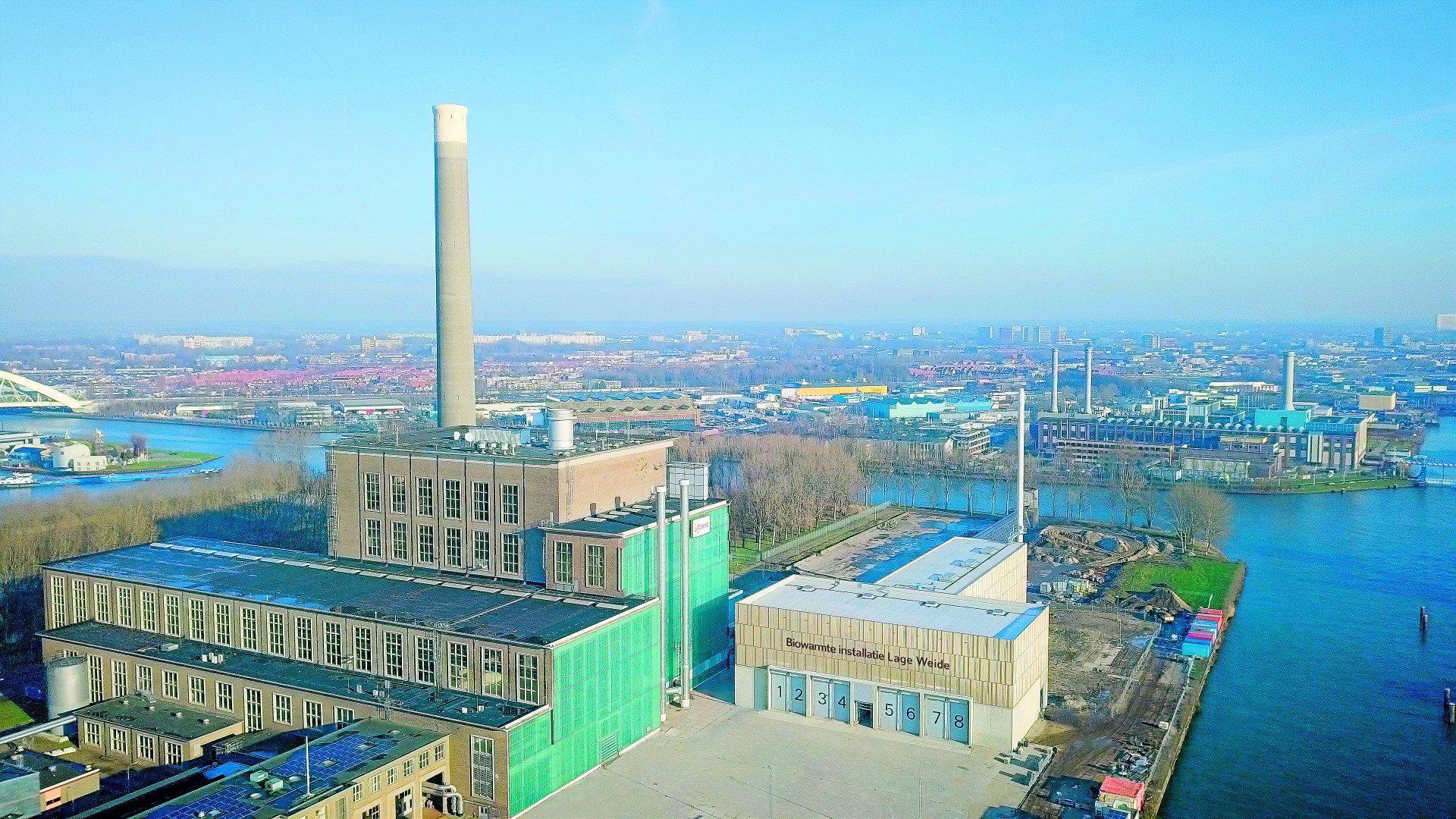
Both of Eneco’s co-generation power plants are currently in operation to supply heat to homes and other premises in Utrecht. The electricity that they produce is a by-product. As these plants are nearing the end of their lifespans, Eneco had planned to phase them out and take them out of commission entirely from 2028. This would also aid the company’s sustainability ambitions. However, the load on the region’s electrical grid would increase as a result, so to prevent this TenneT and Eneco have agreed to extend the plants’ market availability, and for more intensive use.
“We’re faced with a dilemma,” explains Eneco’s COO Integrated Energy Kees-Jan Rameau. “We want more and more clean energy, but security of supply for customers in Utrecht is also a vital consideration. We can’t ignore the problem of grid congestion. It hinders economic growth, and means that new companies and residential districts can’t be connected to the electrical grid. Eneco recognises its social responsibility to help find a solution that increases the security of supply. We’re not going to shirk that responsibility.”
Rameau understands how important it is, now and for a long time to come, to have flexible capacity that can be adjusted on short notice. “We’re pleased that our power plants in Utrecht can contribute. At the same time, we remain as committed as ever to creating a sustainable and reliable energy system.”