
Celebrating 10 years of breeding island Pier van Oterdum
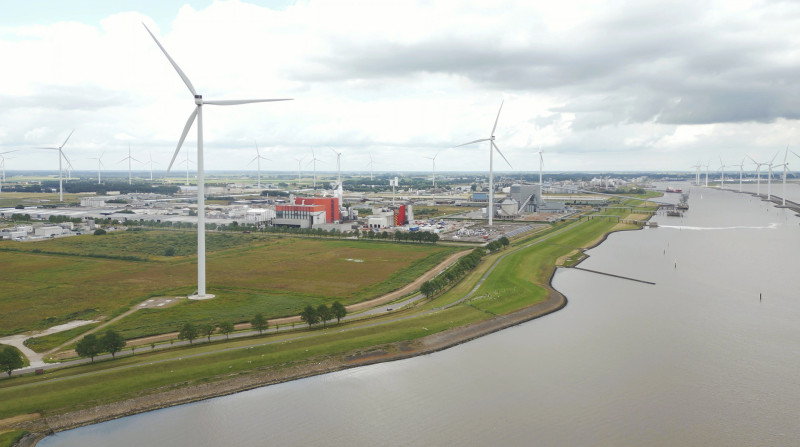
Over the past decade, the breeding island by Oterdum Mole (Pier van Oterdum) in Groningen province has grown into a safe place for various species of birds to breed. Back in 2014, Eneco commissioned the construction of a safe breeding island near the wind farm that was being realised nearby, to compensate for the loss of other breeding grounds. Thanks to the successful efforts of nature conservation foundation Het Groninger Landschap, every year hundreds of pairs of common terns and black-headed gulls now come to the Mole to breed. The number of common terns finding their way to the island has continued to grow over the past decade.

Bird research
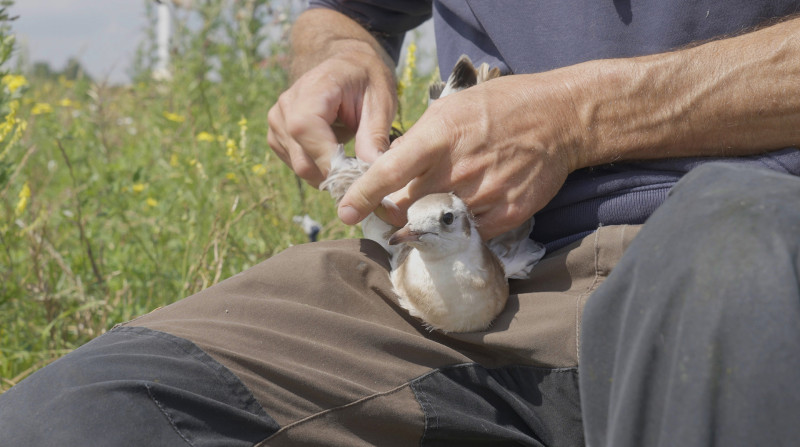
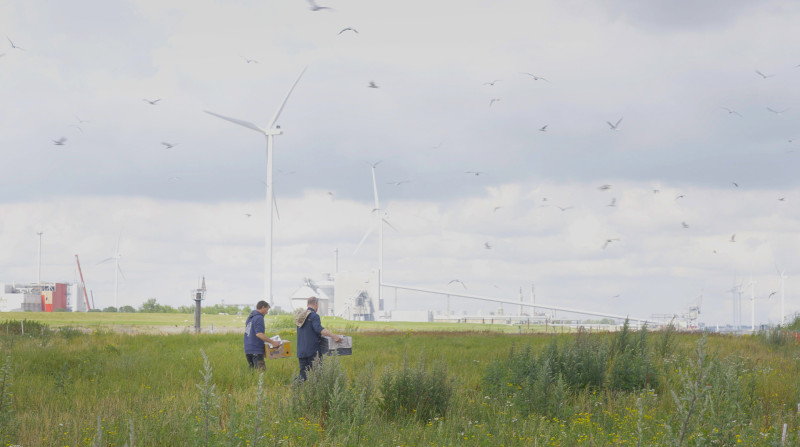
At the time of the Mole’s construction, Eneco and Het Groninger Landschap instructed Sovon Dutch Centre for Field Ornithology to study the birds that choose the island as their breeding ground. Every year, Sovon rings birds and counts nests to map out what birds visit the island and in what numbers, and what their breeding productivity is. Numbers of both birds and species that chose Pier van Oterdum as their breeding ground exceeded expectations even during the first years. In 2014, 54 pairs of common terns visited the breeding island, which was unusual, since these birds are known for their strong preference for familiar grounds. The colony continued to grow and peaked at 142 pairs in 2021. Now, after a decade, 76 pairs visited the island to breed, raising 55 chicks, at a breeding productivity rate of 0.7 chick per breeding pair. Other species that choose Pier van Oterdum as their breeding ground are the black-headed gull and, in smaller numbers, the common ringed plover, the common redshank and the oystercatcher.
“The island has faced numerous challenges in recent years,” says Sovon field ornithologist Peter de Boer. “The area was struck by bird flu in 2023, predators such as foxes are very active and we’ve experienced severe rainfall and other extreme weather conditions. That makes it all the more exciting that the measurements show that most of the birds return to the island again and again. Thanks to the rings on the birds’ legs, we also receive reports from other places around the world. This provides information such as where the birds winter, or where they die. This gives us a better understanding of local movements of the birds from this breeding ground and other sites in the vicinity; for example, we know that the birds visiting the island now to breed come mostly from the Delfzijl Seawall (Schermpier).”
Extra safe
Part of the reason for Pier van Oterdum’s success lies in its unusual location and the extra controls put in place by Het Groninger Landschap. Thanks to where it is situated and the electric fencing, natural enemies such as foxes are kept out. The area surrounding the breeding island also provides enough food. Food sources and protection from natural enemies are two key conditions for improving breeding productivity among birds that live in the mudflats.
Het Groninger Landschap nature manager Silvan Puijman explains, “Every year, staff and volunteers of Het Groninger Landschap work hard to prepare the island for the next breeding season. We clear away the weeds and install two fences – an outer electric fence and an inner fence of chicken wire that stops the chicks from walking into the electric fence. Predators are natural enemies, and they eat the eggs or chicks of the birds that inhabit the mudflats. It’s wonderful to see that our work is yielding results, and that birds have found a safe place here to breed.”
Biodiversity
The breeding island was constructed as part of Eneco’s ambition to make a net-positive contribution to biodiversity in places where it realises assets, such as wind farms. We invest in the nature that surrounds our wind farms to keep it protected and offer birds a place nearby where they can continue to breed in peace.