Archaeological treasures found under Neude during work by Eneco
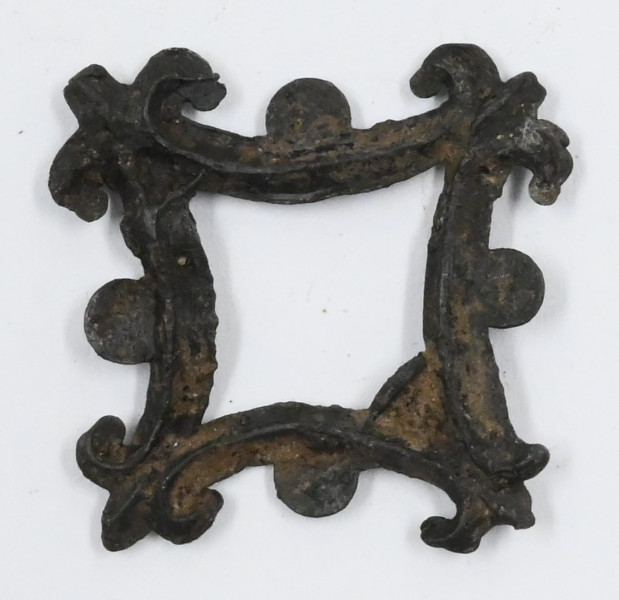
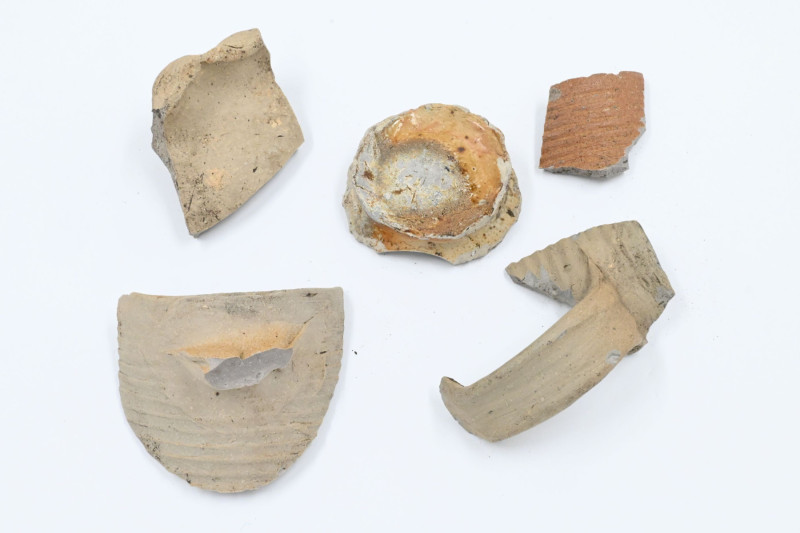
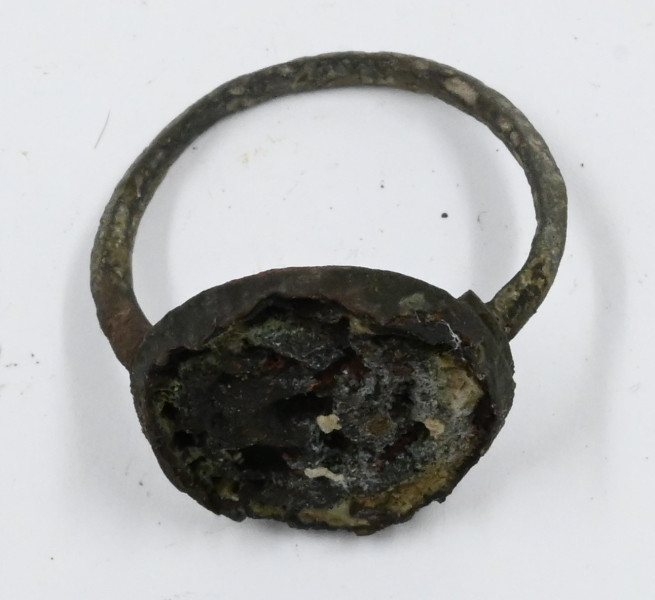
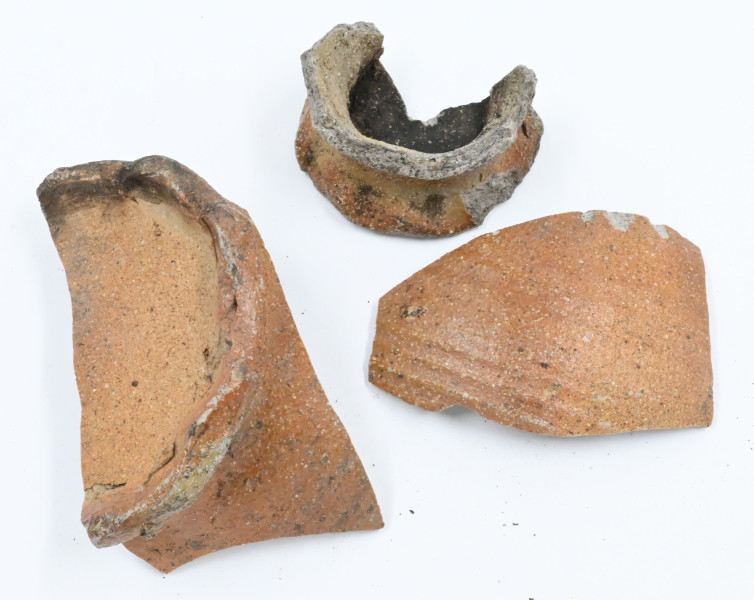
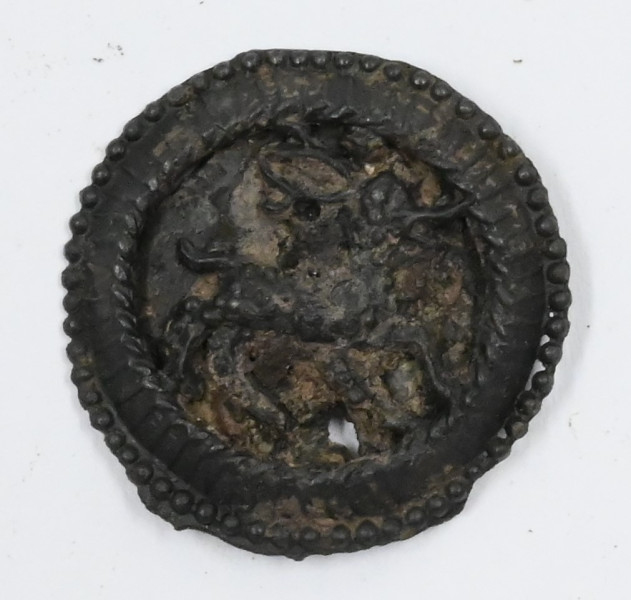
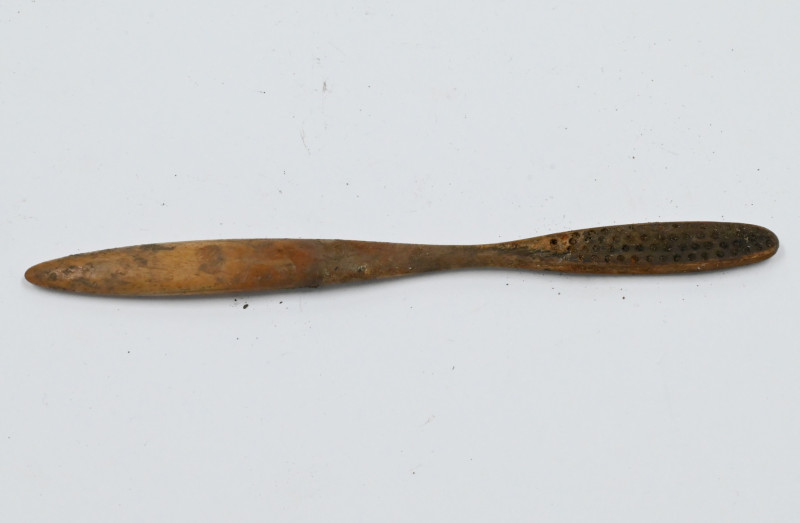
Work on Eneco’s heating grid in the heart of Utrecht has uncovered exciting archaeological finds from the 14th century. The excavations reveal that people living in Utrecht used sand, peat, clay and waste to raise the ground in what is now Neude square. That layer of soil has yielded various treasures, including pilgrim badges, a ring, a brooch and fine pieces of earthenware jugs. This is the first time that the efforts to raise the ground have been mapped out to this extent.
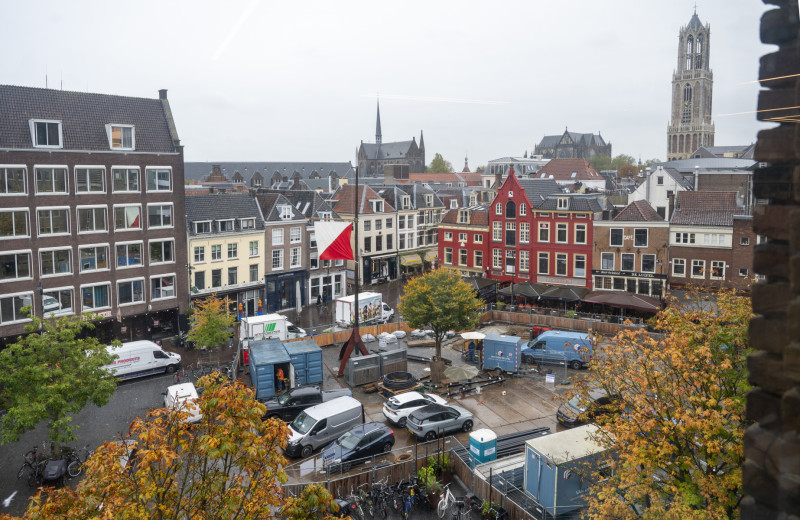
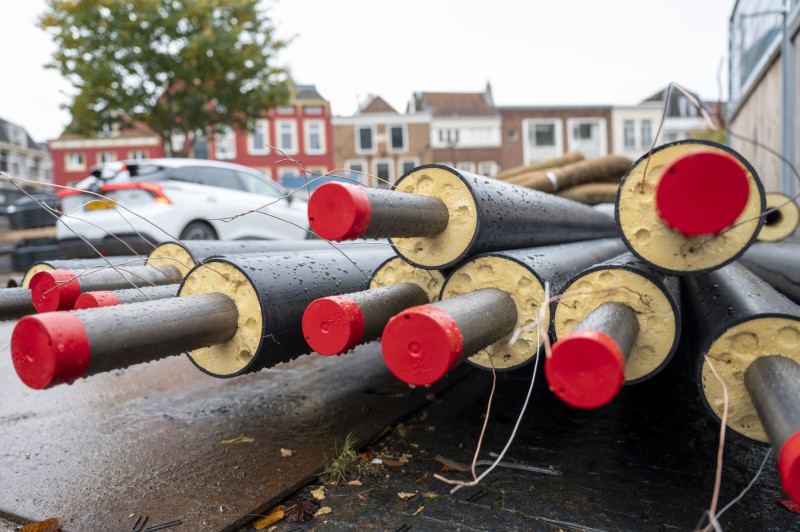
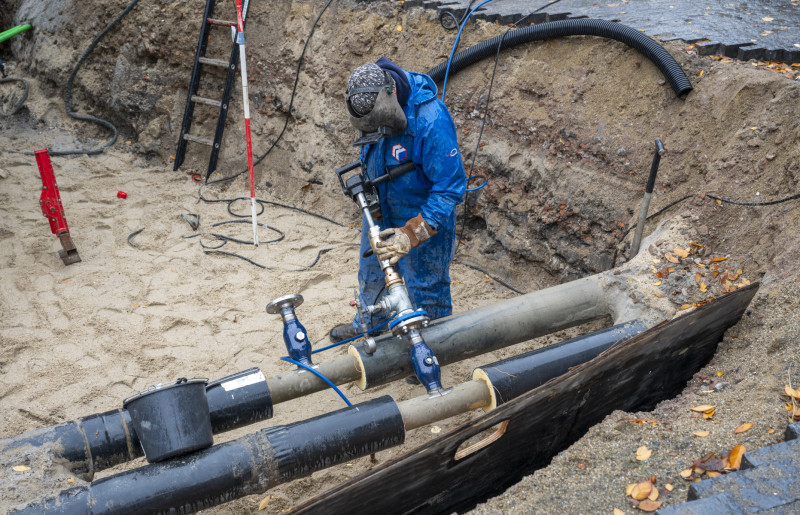
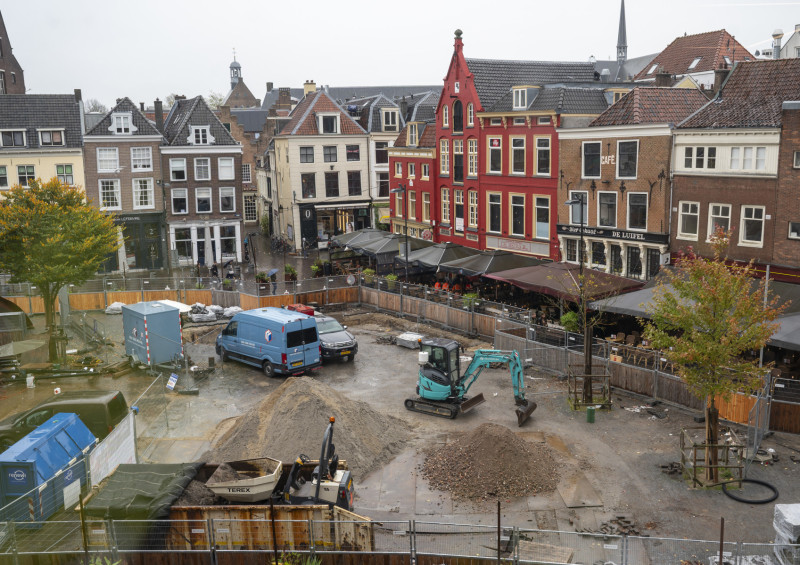
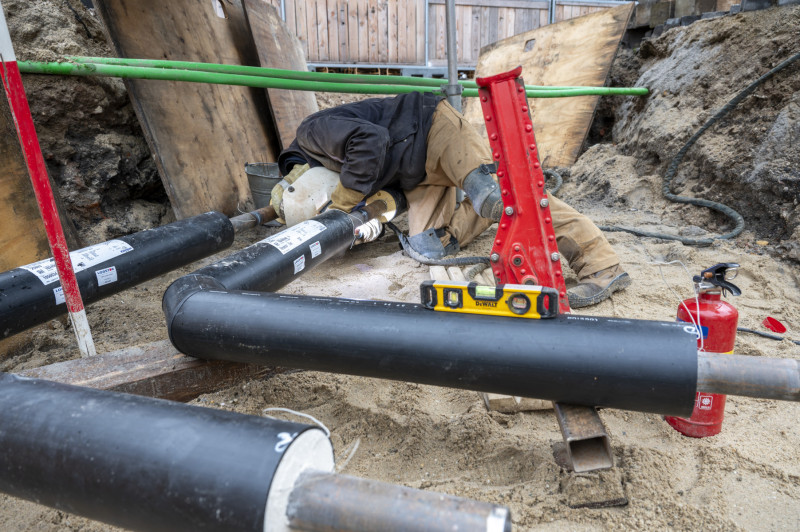
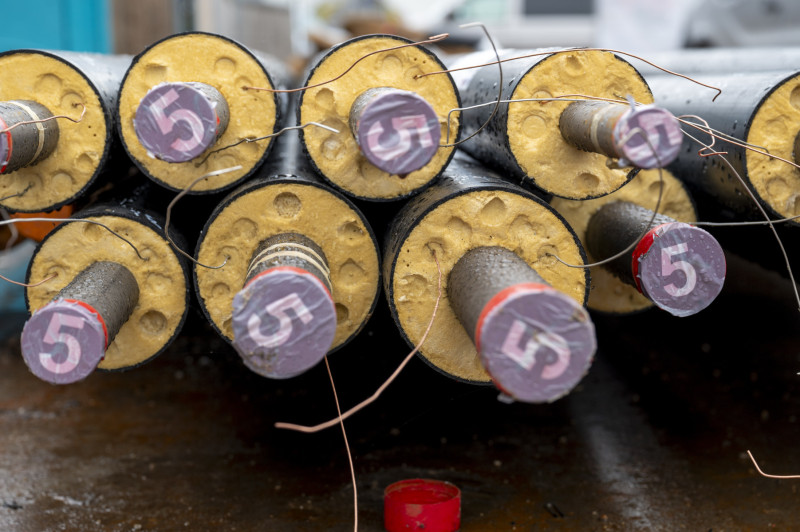
On 1 October, Eneco began work to replace the old heat pipes under Neude square, which have reached the end of their useful life. A new route has been selected where the heat pipes cross Neude, to avoid digging too close to the fronts of the buildings surrounding the square. The main pipes have already been laid, and Eneco is now laying the pipes that branch off towards the surrounding buildings. Transect archaeologist Jesse Braiek has overseen the work from the start.
“The square takes its name from the old Dutch word node, meaning a boggy area,” Braiek explains. “It’s had the same shape for the past 500 years, and we can learn a great deal about the square through the ages from the digs. We can see that a huge load was dumped here a few hundred years ago, including household waste. I don’t often find so many old items from the same period in such a small area. We suspect that Utrecht’s medieval inhabitants undertook an operation to make the boggy area habitable.”
The finds will be cleaned for further study before being handed over to the municipality of Utrecht. Having archaeologists do research is mandatory when working in historical areas. Sometimes this can lead to delays, because works need to be halted for every find. Nonetheless, Eneco hopes to finish the work before the Christmas holidays.